

Have you been thinking about building an ADU for aging parents? Or maybe more room for family, a private home office, or a rental unit that could generate rental income? Whatever you’ve considered an additional dwelling unit for, cost is probably one of the first things you want to figure out.
So, how much does it cost to build an ADU in Sacramento? Naturally, like all projects, there isn’t one price that applies to every ADU project. A detached backyard unit, garage conversion, or attached ADU can have very different construction costs depending on the property, ADU size, site preparation, labor, materials, utility connections, permits, and other requirements.
We’ve compiled a list of questions relating to what Sacramento homeowners should know about the cost to build an ADU and the expenses that can affect the final price.
What Affects the Cost of an ADU?
The biggest factors are usually the type and size of the accessory dwelling unit, the condition of the property, and how much work is required to build it.
It can be easy to think of an ADU as simply adding another living space to your property. In practice, there’s a lot more involved. A detached ADU in Sacramento may require a new foundation, utility connections, framing, roofing, and other construction that wouldn’t be necessary for some garage conversions. A larger or more customized unit can also increase ADU construction costs.
Where Does the Money Go?
Your cost breakdown will generally include design, site preparation, labor, building materials, utilities, and permits. Labor costs can cover everything from framing and plumbing to electrical, HVAC, flooring, cabinetry, and finish work.
Material selections also play a part. Choosing durable, practical finishes instead of highly customized options can provide some cost savings while still giving you a comfortable, finished living space. While most people want to keep their budget under control, an ADU isn’t necessarily the kind of project where choosing the lowest possible price is the move. Cutting costs in the wrong places can affect the quality, durability, or even the work required later.
Is a Garage Conversion Less Expensive?
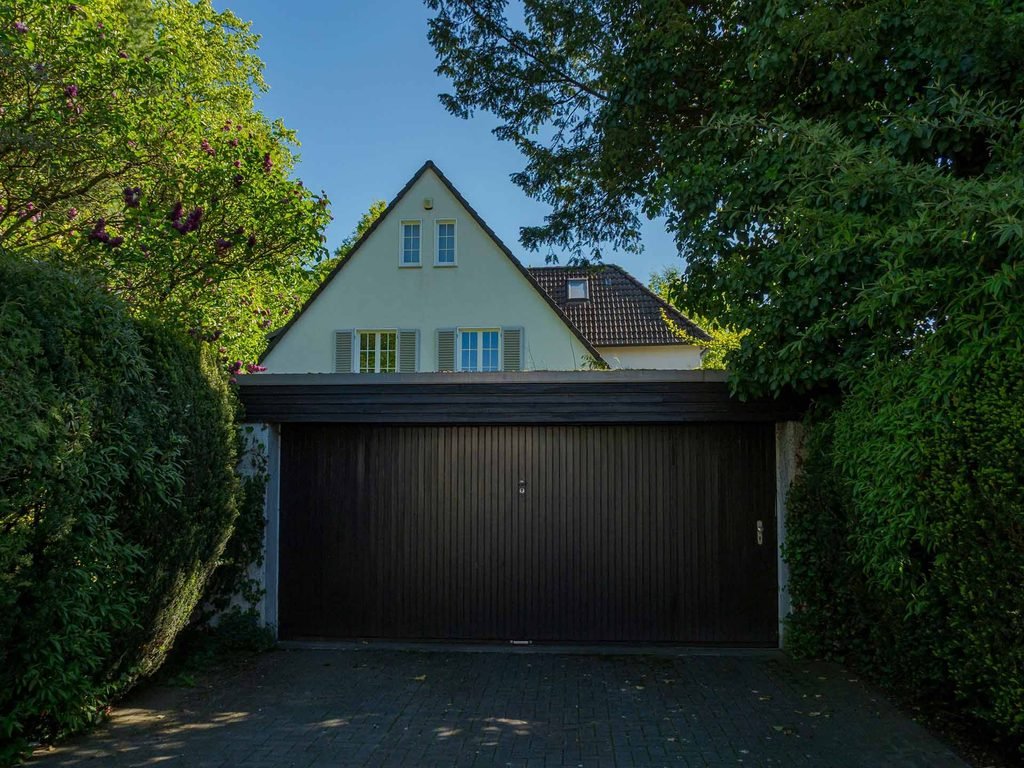
Garage conversions start with an existing structure, which may reduce some construction requirements compared with building a new backyard ADU.
However, garages often need insulation, electrical upgrades, plumbing, HVAC, windows, flooring, and other work before they can function as residential space. The existing structure ultimately determines whether a conversion is a cost-effective choice.
Does ADU Size Make a Big Difference?
More square feet generally means more materials and labor, but that correlation isn’t always straightforward. Even a small ADU still needs basic components such as a bathroom, kitchen, electrical system, plumbing, and HVAC.
A smaller unit can still provide useful living space for aging parents, adult children, guests, or a private home office.
How Much Are Permits and Fees?
Permit fees are only one part of the permitting budget. Depending on the property and jurisdiction, homeowners may also encounter plan review charges, city fees, impact fees, and other additional fees. A full list can be found through the City of Sacramento ADU Fee Estimate resource.
Your project must also meet applicable local regulations, zoning requirements, ADU laws, and building codes. Our team can help you work through those requirements early to help avoid changes later in the permitting process.
Can an ADU Generate Rental Income?
Rental income is one of the main reasons homeowners decide to build an ADU, perhaps because they want to use it as a short-term rental on Airbnb or rent it to a long-term tenant. A well-planned rental unit can provide additional income while also adding flexible space to the property.
Can an ADU Increase Property Value?

Adding a legal, well-built ADU provides additional living space and may boost property value, although the exact impact varies by property and local market.
The value isn’t necessarily financial, either. A separate unit can give homeowners more flexibility now while making the property more appealing to potential buyers later.
How Can You Reduce ADU Costs?
Some of the best opportunities to reduce costs happen before construction begins. A straightforward design, practical material selections, and using an existing structure where appropriate can all help keep the budget under control.
It’s also worth taking time to understand the property and project requirements before the construction phase starts. Working with an experienced contractor can help you look at all the moving parts before construction begins, which may reduce costs later by catching potential problems early and limiting expensive changes during the project.
Are There Financing Options?
Some homeowners use home equity loans or a home equity line to finance an ADU. Depending on eligibility, there may also be programs that assist homeowners with ADU development in your city or county. The CalHFA ADU Grant Program was a popular pick, but is currently not accepting new applications.
Because financing programs and requirements can change, don’t forget to confirm current terms before including potential assistance in your project budget.
How Do I Get an Accurate ADU Cost?
Online estimates can give you a general idea, but they can’t account for the condition of your property, existing structures, utility connections, or specific construction requirements.
A property review gives you a much more useful starting point. Empire Builders helps Sacramento homeowners plan ADU construction, including detached ADUs, attached units, and garage conversions, with the project scope, construction requirements, and budget considered together.
If you’re considering an ADU in Sacramento, CA, call (916) 237-1478 to schedule an obligation-free consultation or fill out our contact form.